
A kitchen garden is among the most effective, enjoyable ways to cultivate fresh herbs and vegetables in your home. According to Wikipedia, the term kitchen garden is a tiny garden in the home that is used to cultivate fresh herbs and vegetables. In the case of Indian family members, it is an easy method to eat nutritious, pesticide-free food items and reduce the cost of grocery shopping and be in touch with the natural world even in small urban settings. This complete guide will cover the essentials you’ll need to know about how to begin to maintain and develop your garden in the kitchen from beginning to the end.
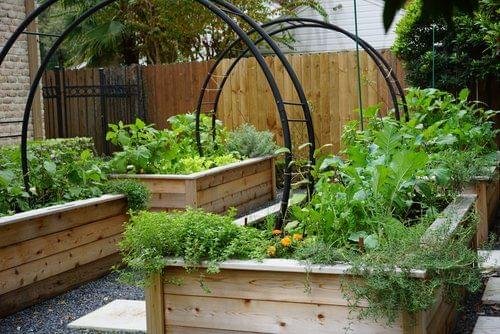
The benefits of starting a Kitchen Garden in India
Fresh, chemical-free produce
If you plant the vegetables you grow yourself, it is possible to have control over the ingredients that go into your food. This will ensure safe, clean and nutritious food for your family.
Reduces Monthly Costs
Common vegetables such as tomatoes, chillies, coriander, as well as spinach are surprisingly cheap when grown in your own home.
perfect for Indian Climate Conditions
The Indian climate is ideal for year-round vegetable production, which makes gardening in the kitchen a huge benefit for any family.
adds beauty and Greenery
A well-maintained garden in the kitchen can enhance the ambience of your home, instil optimism, and increase the quality of your life.
You can also add decorative plants—see our Best Flowering Shrubs List
Helps to Support Sustainable Living
Growing up at home can mean less packaging made of plastic and less food waste, and a lower carbon footprint.
Best Kitchen Garden Ideas for Indian Homes
A garden at home isn’t a big undertaking. These kitchen garden ideas can be used in flats, apartments and rented homes as well as houses that are independent all over India.
Balcony Kitchen Garden
Make use of railings, vertical racks, planters, as well as grow bags to increase the balcony space.
Terrace Kitchen Garden
Terraces are a great place to enjoy sunlight, perfect for growing chillies, tomatoes and brinjal. Okra, gourds, and other greens.
Indoor Herb Garden
Mint or basil, coriander, and microgreens thrive in the shade of windows or in indirect sunlight.
Vertical Garden
Perfect for urban residences, these structures permit several layers of plants without occupying a large floor space.
If you want more ideas for growing in small spaces, read our guide on Vertical Farming in India.
Garden Raised Beds
Homeowners with smaller yards can plant raised beds to ensure the long-term growth of productive plants.
These kitchen garden ideas assist novices in creating functional and space-efficient designs that are suitable for Indian lifestyles.
Choosing the Right Space for Your Kitchen Garden
Finding the best location is crucial to ensure long-lasting, healthy plant development.
Sunlight Specifications
Most vegetables require between 4 and 6 hours of sun each day. The leafy vegetables and herbs can tolerate only a little shade.
Good Air Circulation
A good airflow can prevent fungal problems and ensure that plants are healthy.
Easy Water Access
The garden in your kitchen should be near a water source for ease of maintenance.
Protects you against Harsh Weather
Shade nets are recommended during the monsoon and in the summer to safeguard delicate plants.
Best Containers for Your Kitchen Garden
Bags to Grow Bags
Affordable and breathable, it is popularly utilised in terrace and balcony gardening.
Pots of Clay Pots
Traditional pots that ensure the proper temperature of the roots.
Plastic Planters
It is light, durable and simple to move.
Vertical Towers & Racks
Perfect for maximising space even in tiny spaces.
Raised Beds
Ideal for terraces and backyards installations that focus on long-term efficiency.
Preparing the Perfect Soil Mix
A healthy soil is the foundation of a healthy home garden. A balanced soil mix enhances the growth rate, keeps moisture in and helps prevent root-related diseases.
Perfect ratio of Soil Mix
- 40% garden soil
- 30 Compost % (vermicompost, also known as calves’ dung)
- 20 Cocopeat %
- 10 Perlite or sand up to 10 per cent
The Reasons This Mix Works in India
- Garden soil gives minerals
- Compost improves fertility
- Cocopeat holds water
- Sand aids in drainage
A neem cake is a good addition to plant protection naturally.
Selecting the Best Vegetables for Your Kitchen Garden
Leafy Greens (Fast-Growing)
- Spinach
- Methi
- Lettuce
- Amaranthus
Indian Daily-Use Vegetables
- Tomato
- Chili
- Brinjal
- Okra
- Beans
Root Crops
- Carrots
- Radish
- Beetroot
Easy Herbs
- Mint
- Basil
- Coriander
- Curry leaves
- Oregano
Pick a mix of fast-growing vegetables and greens that will keep your garden in good shape all year. If you want to grow fruits at home, check our guide on the Dragon Fruit Plant.
How to Sow Seeds and Plant Saplings
Seed Sowing Techniques
- Soak seeds for 6 hrs prior to planting
- Apply a fine soil mixture to help the germination process.
- Keep soil moist but never soggy
- Provide partial shade until seeds sprout
Utilising Nursery Saplings
The chilli, tomatoes and brinjal thrive when they are planted in good nursery saplings.
Watering Your Kitchen Garden Properly
The correct watering will ensure strong root growth.
General Watering Guidelines
- Summer: water daily
- Winter: alternate days
- Monsoon only occurs when the soil is dry
Always drink water in the morning or later in the afternoon.
Fertilising Your Kitchen Garden Naturally
Organic fertilisers can help your garden in the kitchen develop without the use of chemical fertilisers.
Best Fertilizers to Use for Indian Homes
- Vermicompost
- Cow dung compost
- Mustard cake fertilizer
- Seaweed extract
- Panchagavya
Do this once every 15-20 days.
Organic Pest Control for a Healthy Kitchen Garden
Neem oil spray
This is beneficial for aphids, whiteflies and mealybugs.
Shampoo Water Spray
Stops the life cycle of pests without chemical substances.
Garlic Chilli Spray
Effective against caterpillars as well as caterpillars and leaf-eating insects.
Buttermilk Spray
Naturally prevents fungal infections.
Kitchen Garden Layout Designs That Work Best in India
Linear Layout
A clean, balanced design for balconies.
Cluster Layout
Plants of the group are according to the sun’s position and watering requirements.
Vertical Layout
Reduces space and increases yield.
Companion Planting
Plant-friendly pairings such as:
- Tomato + Basil
- Chili + Marigold
- Beans + Spinach
These combos increase growth and also reduce the number of pests.
Seasonal Vegetable Planning for Your Kitchen Garden
summer (March-June)
- Tomato
- Okra
- Beans
- Cucumber
Monsoon (July-September)
- Spinach
- Amaranthus
- Brinjal
Winter (October-February)
- Carrot
- Beetroot
- Lettuce
- Cauliflower
If you plan it properly, the home garden will be productive throughout the year. For year-round growing, you can also explore Greenhouse Farming in India.
Smart Tips to Increase Yield in Your Kitchen Garden
- Prune frequently
- Harvesting at the right time
- Utilize mulching
- Rotate the crops
- Make sure to compost it every month
Making sure you have a plan of action based on the best kitchen garden ideas will dramatically increase the amount of food you harvest.
Common Mistakes to Avoid in Your Kitchen Garden
- Overwatering
- Poor quality soil
- Plants are growing too close together
- Ignoring sunlight needs
- Pests are not being controlled early
- Unnecessarily using chemicals
The fix will increase the overall efficiency.
Conclusion
The process of creating a kitchen garden at your own home in India is easy, inexpensive and very rewarding. If you have the proper plan, the right soil mix, sunshine, organic fertilisers, as well as efficient designs, everyone from beginners to professionals who are busy will have a constant supply of fresh, chemical-free veggies and plants. The right planning, careful arrangements, and carefully selected kitchen garden ideas make sure that your garden remains beautiful, productive and relaxing throughout the year.
Frequently Asked Questions
1. What is an edible garden in the kitchen?
A tiny home setting where you can grow herbs, vegetables and other greens for everyday consumption, which will ensure fresh and pesticide-free meals.
2. How much light is needed?
Most vegetables require at least 4-6 hours of sunshine per day to maintain their healthy growth and strength.
3. Can I grow veggies on my balcony?
Indeed, balcony gardens are great for a garden that can grow herbaceous greens, leafy herbs, and small vegetables in pots and grow bags.
4. What is the most suitable soil mix?
A mixture of soil, cocopeat, compost, and sand that is balanced in proportion is ideal for those who are just starting.
5. Which are the easiest vegetables to cultivate?
Spinach and methi, coriander, mint, tomatoes, and chillies are all easily grown when grown in Indian conditions.
6. What is the best frequency to water my plants?
In summer, water is poured daily and on a daily basis in winter, depending on the moisture levels.
7. Can home gardening work in small spaces?
Yes, vertical gardening is a viable option; railing pots and compact planters are great for maximising small spaces.
8. Do grow bags work well for growing vegetables?
Grow bags are great because they are air-conditioned, light and suitable for roots.
9. How can I control natural pests?
Sprays of Neem, soapwater and garlic-chilli spray help prevent organically from pests.
10. What is the time frame to pick vegetables?
Leafy greens can take between 25 and 30 days. Tomatoes and chillies require 60-90 days.
11. Can I reuse potting soil?
Yes, it is possible to refresh it with the compost and then the neem cake before reuse.
12. What is a companion plant?
The growing of compatible plants together can increase yield and decrease the number of pests.
13. Can vegetables be grown indoors?
Microgreens and herbs grow well indoors in bright windows.
14. How can I improve my soil’s health?
Regularly add compost, stay clear of excessive watering, and also rotate your crops.
15. Which are the most effective pots?
Grow bags and pots that measure 12-18 inches will work well with the majority of Indian vegetable varieties.
16. How do I germinate seeds fast?
Soak the seeds, then use lightly sand, and hold the moisture level steady until the seeds begin to sprout.
17. Do I need to make use of fertilizers?
Utilise organic compost, or fertilizers in liquid form, every 15 to 20 days.
18. Why do leaves turn yellow?
Common reasons include overwatering, nutrient deficiency, or poor drainage.
19. Can children participate?
Gardening is definitely an excellent opportunity to teach the importance of responsibility and taking care of nature.
20. What are the best plants for beginners?
Spinach and mint, as well as coriander, chillies and tomato, develop easily with no maintenance.

Chavan Harikrishna is a dedicated content writer with a strong passion for agriculture and gardening. With a keen eye for detail and a love for nature, he creates insightful and engaging content that educates and inspires readers about sustainable farming practices, plant care, and rural development. Harikrishna combines his writing expertise with hands-on experience in agriculture to deliver well-researched and impactful articles that promote a greener and more sustainable world.