
In recent times, the agricultural industry has seen a major shift towards sustainable and environmentally friendly farming methods. One of the biggest developments in this area has been the creation and application of organic fertilizers. Of these organic water soluble fertilizers, organic ones have received a lot of attention because of their many benefits. In this article, we’ll look at the nature of organic water soluble fertilizers and how they function in the field, their benefits, and their role in modern agriculture.
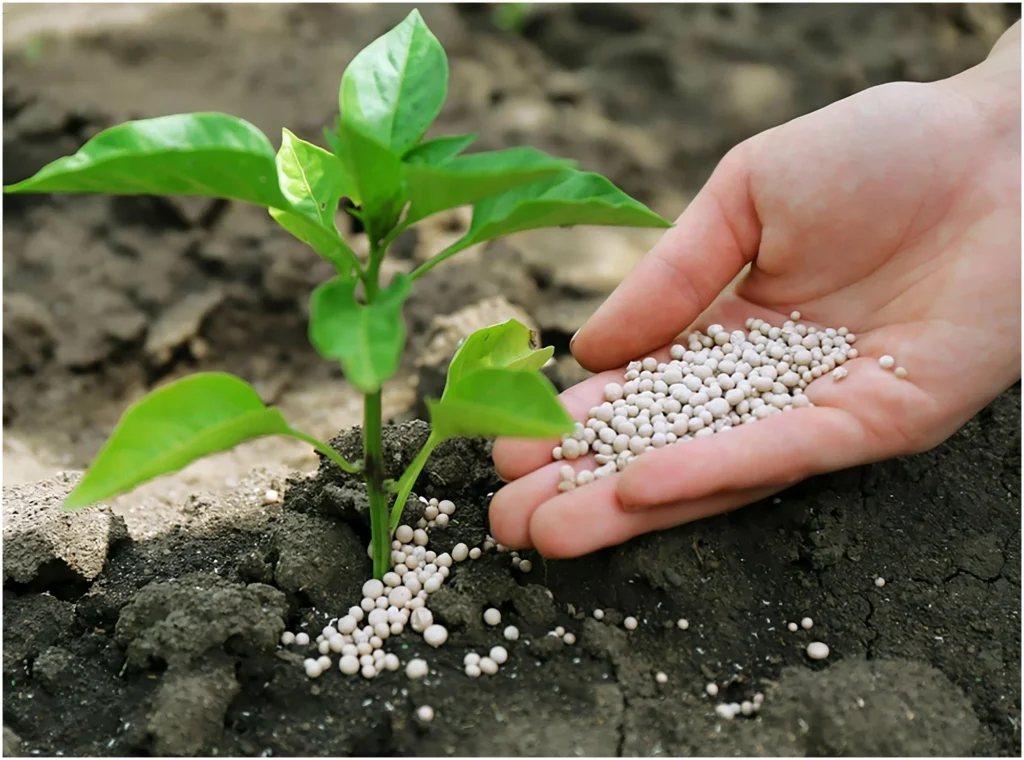
What is Organic Water Soluble Fertilizer?
Organic water soluble fertilizer is one type of organic fertilizer that dissolves in water and is easily accessible for plant uptake. Contrary to conventional fertilizers, which can slow down the release of nutrients or need certain conditions for their uptake, the water soluble fertilizers supply essential nutrients directly to the plants, in a manner that is absorbed nearly immediately.
These fertilizers come from natural sources like seaweed, animal manure, plant matter, or fish. The nutrients contained in these organic fertilizers are usually linked to organic matter, permitting gradual, long-lasting release. However, the water soluble type helps plants to get the nutrients in a short time when they are needed, giving immediate as well as long-term benefits.
The Science Behind Organic Water Soluble Fertilizers
The organic water soluble fertilizers is comprised of important nutrients such as nitrogen (N) as well as Phosphorus (P) and potassium (K) as well as calcium (Ca) as well as magnesium (Mg) as well as sulfur (S) as well as trace minerals such as iron (Fe) as well as zinc (Zn) as well as manganese (Mn). These nutrients are vital to plant growth and can help to improve the various physiological processes, ranging starting with root development, through fruit and flower production.
What distinguishes organic water soluble fertilizers is their capability to dissolve into water, allowing more nutrients to plants. Solubility means that fertilizers can be sprayed directly on the soil or via irrigation systems, resulting in the most uniform and efficient dispersal of the nutrients. This means that plants are able to absorb nutrients rapidly, which leads to healthy, stronger growth.
Advantages of Organic Water Soluble Fertilizer
- Improved Nutrient Availability
One of the major benefits of organic, water soluble fertilizers is their capacity to instantly release nutrients to plants. Organic fertilizers that are traditionally used, such as manure or compost, could take a while to dissolve to release nutrients. However, organic fertilizers that dissolve in water are able to disperse rapidly, making nutrients easier for plants to absorb.
- Enhanced Soil Health
In addition to providing immediate nourishment for plants, Organic water soluble fertilizers help to maintain the long-term health of the soil. Organic fertilizers are abundant in organic matter that aids in improving soil structure and boosts microbiological activity. Microorganisms play an essential function in breaking down organic matter, improving soil fertility, and enhancing the cycle of nutrient.
Through promoting soil health, organic water soluble fertilizers aid in maintaining an ecologically balanced soil ecosystem essential for growing plants over the long term.
- Environmentally Friendly
One of the main advantages of using organic water soluble fertilizers instead of synthetic fertilizers is the environmental benefits they provide. Organic fertilizers come from renewable, natural sources and don’t contain harmful chemical compounds or synthetic substances, which can harm the environment.
In contrast to synthetic fertilizers, which may leach into waterways, leading to pollution and eutrophication. Organic fertilisers are less likely to cause these issues. Furthermore, organic fertilizers improve soil health and reduce the requirement for herbicides or pesticides that are chemically based, which can be harmful to beneficial insects as well as organisms living in soil.
- Reduced Risk of Over-Fertilization
Organic water-soluble fertilizers are slower in release than synthetic fertilizers, thus reducing the possibility of over-fertilization. Over-fertilization could lead to imbalances in nutrients, excessive plant growth, and a poor crop yield. With organic water soluble fertilizer, these nutrients release slowly so that the plants receive the correct amount of nutrients at the appropriate time.
The slow release mechanism reduces the chance of runoff from nutrients into nearby water bodies, which could cause environmental damage. In providing nutrients in a controlled and sustainable way, organic water-soluble fertilizers are used to ensure that farming practices are sustainable for the environment.
- Improved Plant Growth and Yield
If used properly, organic water-soluble fertilizers could boost overall plant health, resulting in greater growth and better yields. The plants that are fertilized with these nutrients typically have stronger root systems, improved resistance to diseases, and better resistance to environmental stressors like drought and extreme temperatures.
The nutrients that are provided through organic water-soluble fertilizers to support the growth of key processes, such as the photosynthesis process, division of cells, and nutrient absorption, all contribute to higher-quality crops and increased productivity rates. In the end, gardeners and farmers will reap both the environmental and economic benefits of organic fertilizers.
How to Use Organic Water Soluble Fertilizers
The use of organic water soluble fertilizers can be quite simple; however, it’s crucial to follow the directions of the manufacturer to ensure proper application. These are general rules
- Dilution
Organic water-soluble fertilizers typically come in concentrated forms and require dilution by water prior to application. The ratio of dilution is contingent on the particular product and the requirements of the plants that are being treated. For instance, a typical ratio could be 1 tablespoon of fertilizer per gallon of water; however, it could differ depending on the particular formulation.
- Application Method
Once the fertilizer is diluted, it can be sprayed on the soil or incorporated into irrigation systems. To apply soil-based fertilizer, it is generally advised that the fertilizer be applied directly at the root of the plant to ensure that the roots take in the nutrients. The solution could also be applied as sprays on the leaves to supply nutrients directly to plant leaves, particularly during times of high growth.
- Timing
The ideal timing to use organic fertilizers that are water-soluble occurs during the growing season when plants are digesting nutrients. Applying fertilizers in the early morning or later in the afternoon can decrease the risk of burning plants since cooler temperatures stop excessive evaporation.
- Frequency
The frequency of fertilization will be determined by the plant’s needs for nutrients and the kind of fertilizer that is used. For the majority of plants, a month-long application is enough. However, those with high maintenance requirements might require frequent feedings. Monitor the growth of your plant to determine if further applications are required.
Challenges and Considerations
Organic water-soluble fertilizers provide many advantages, but they also have challenges. One of the biggest negatives is the expense. Organic fertilizers are much more costly than the synthetic ones, which makes them more expensive to some farmers, in particular those on a massive scale.
Furthermore, the lubricity of these fertilizers means they could be quickly washed away in extreme rainfall or excessive irrigation, and reduce their efficacy. To reduce the danger, farmers can use organic fertilizers that are Organic Water Soluble Fertilizer combined with other soil-health practices, like mulching, to retain moisture and shield this fertilizer against runoff.
The Role of Organic Water Soluble Fertilizer in Sustainable Agriculture
As the agricultural sector shifts towards more eco-friendly and sustainable practices, organic water-soluble fertilizers are expected to play an essential role in maintaining healthy ecosystems and efficient agriculture systems. Through improving the cycle of nutrient intake as well as reducing the chemical input and improving the health of plants, these fertilizers provide an eco-friendly option to chemical fertilizers.
Additionally, with the increasing demand for organic products as well as the necessity to decrease the impact of farming on the environment and farming practices, the demand for organic water-soluble fertilizers is predicted to expand. Transitioning towards organic agriculture and environmentally sustainable methods isn’t just more sustainable for the environment but also better for the health of our consumers.
Conclusion
Organic water-soluble fertilizers are an important innovation in sustainable agriculture. They provide numerous benefits for farmers and the natural environment. These fertilizers give plants immediate access to vital nutrients, enhance soil health, and encourage environmentally sustainable farming practices. While there are a few challenges to their usage, the benefits from organic, water-soluble fertilisers surpass the disadvantages, making them an indispensable tool for modern sustainable agriculture.
When they adopt the use of organic fertilisers, agriculturalists are able to make a difference in a sustainable future and ensure that future generations have a healthy and sustainable planet. No matter if you’re an industrial farmer or gardener at home, using organic water-soluble fertilizers will aid in achieving healthier plants, better yields, as well as a more sustainable method of cultivating food.
If you’re also growing vegetables alongside your herbs, using the right organic liquid fertilizer can make a big difference. Check out our guide on the Best Organic Liquid Fertilizer for Vegetable Gardens to learn how to nourish your plants naturally for a bountiful harvest!
For a deeper understanding of organic fertilizers and their impact on farming, check out this Wikipedia page. Organic Fertilizer – Wikipedia
Table of Contents

Chavan Harikrishna is a dedicated content writer with a strong passion for agriculture and gardening. With a keen eye for detail and a love for nature, he creates insightful and engaging content that educates and inspires readers about sustainable farming practices, plant care, and rural development. Harikrishna combines his writing expertise with hands-on experience in agriculture to deliver well-researched and impactful articles that promote a greener and more sustainable world.